
How to Get Rid of Roaches in St. Louis: A Complete Guide for Homeowners
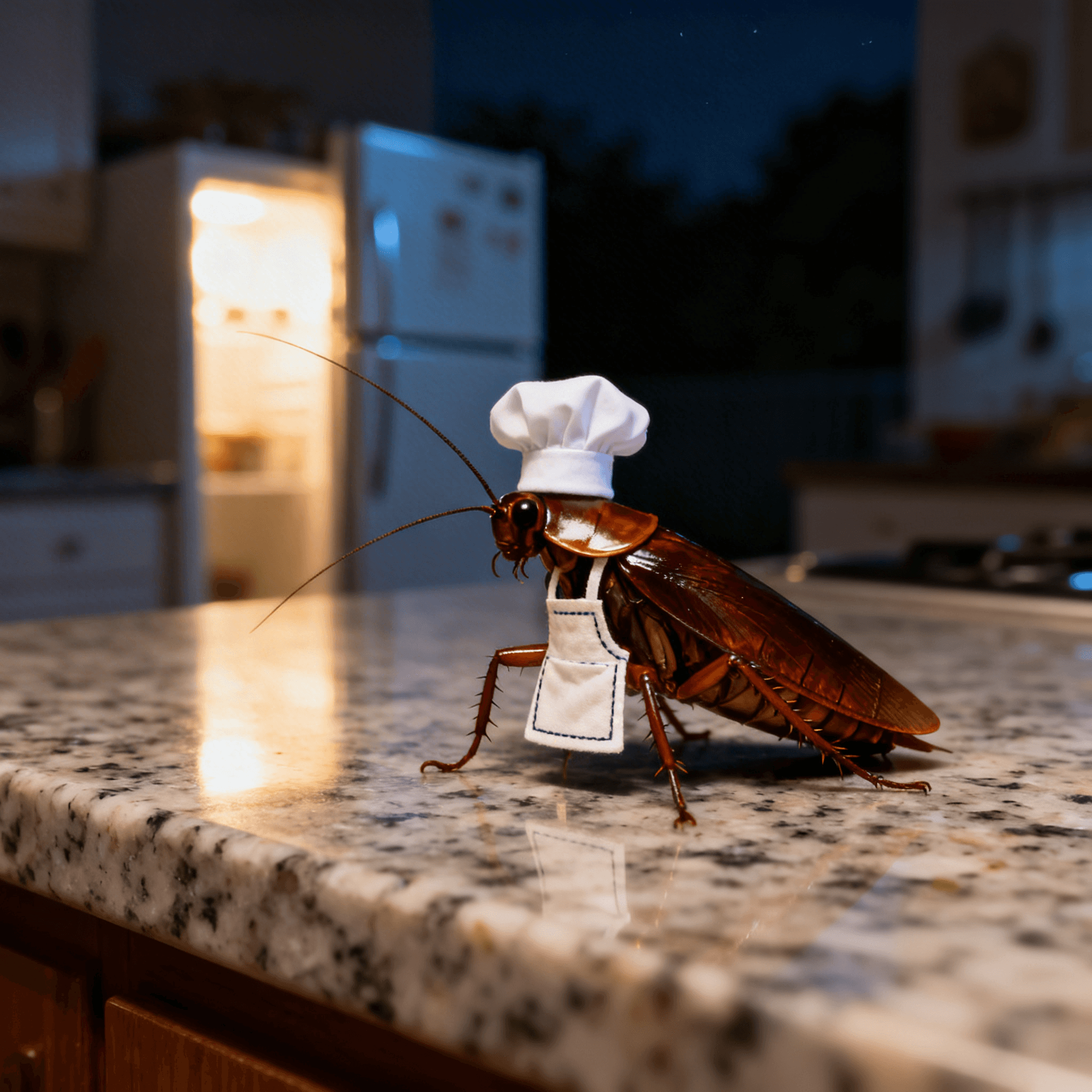
You flipped on the kitchen light and something scurried across the counter. Your stomach dropped. You keep a clean home — so why are cockroaches showing up?
You're not doing anything wrong. Roaches are resourceful, and St. Louis's climate gives them exactly what they need to thrive. The good news is you don't have to live with them, and you don't have to figure this out alone.
Why Roaches Show Up in Clean St. Louis Homes
Cockroaches need three things: food, water, and shelter. Even the cleanest home in Florissant or South County provides all three if there's a dripping pipe under a sink, condensation in a crawl space, or a gap around a utility line where they can squeeze through.
St. Louis's humid summers accelerate roach reproduction, and the region's older housing stock — especially homes built before the 1970s — tends to have more entry points around plumbing, foundations, and window frames. We covered the most common access points in a previous post on how cockroaches get into your home.
If you live in a multi-family building, townhome, or duplex, shared walls create additional pathways. One unit's problem quickly becomes the whole building's problem.
Which Roaches Are Common in St. Louis?
Four cockroach species show up most frequently in St. Louis area homes.
German Cockroach
The German cockroach is the most common indoor species and the hardest to eliminate. These small, light brown roaches reproduce rapidly — a single female can produce hundreds of offspring in her lifetime. They prefer warm, humid spaces and are most often found in kitchens and bathrooms.
American Cockroach
Often called "waterbugs," American cockroaches are the largest species you'll encounter locally. They're reddish-brown, up to two inches long, and typically enter homes through sewer lines, drains, and basement gaps. They're common in older neighborhoods across North County and Ferguson.
Oriental Cockroach
Dark brown to black and about an inch long, Oriental cockroaches thrive in cool, damp areas like basements and crawl spaces. They're sometimes called "black beetles" and are strongly associated with moisture problems.
Brown-Banded Cockroach
Smaller and less moisture-dependent than other species, brown-banded cockroaches can show up in drier rooms like bedrooms and living areas. They tend to stay near ceilings and upper cabinets, which makes them easy to miss until the infestation is well established.
If you're not sure which species you're dealing with, our post on the signs of a cockroach infestation can help you identify what you're seeing.
Why DIY Roach Treatments Usually Backfire
Store-bought sprays and foggers might kill the roaches you can see, but they rarely reach the colony hiding behind walls, under appliances, or inside wall voids. Worse, foggers can scatter roaches into new areas of your home, spreading the problem rather than solving it.
The EPA's introduction to Integrated Pest Management stresses that effective pest control requires identifying the species, locating the source, and using targeted treatments rather than blanket chemical applications. That approach is especially critical with German cockroaches, which have developed resistance to many common pesticides.
The Health Risks You Can't Ignore
Roaches aren't just unpleasant — they're a health concern. Their droppings, shed skins, and saliva contain proteins that trigger allergic reactions and asthma attacks, particularly in children. The World Health Organization identifies cockroaches as carriers of bacteria like Salmonella and E. coli, which they spread by walking across food preparation surfaces.
For families in St. Louis with young children or anyone with respiratory conditions, a roach infestation is more than a nuisance — it's a health issue that demands professional attention.
The University of Missouri Extension's guide to household insects provides additional context on the species most commonly found indoors in our region and the conditions that allow them to establish.
How Pure Pest + Lawn Eliminates Roaches
Our approach targets the colony, not just the roaches you see:
Schedule a free inspection. Our licensed technicians identify the species, locate nesting sites, and map every entry point in your home.
We design a targeted elimination plan. Using gel baits, residual treatments, and growth regulators specific to the species we're dealing with — not broadcast sprays that scatter the problem.
Enjoy a roach-free home. With ongoing monitoring and preventive treatments through a Pure Pest Plan, we make sure they don't come back. And if they do, so do we — at no extra charge.
Pure Pest + Lawn has been protecting St. Louis homes since 1933. We're proud recipients of the BBB Torch Award for Ethics with over 1,000 five-star reviews. Nobody should have to share their home with roaches. Let us handle it.
Schedule your free inspection today. Call 314-222-PEST (7378) or schedule online.


