
What Attracts Rats to Your St. Louis Home (and How to Stop Them)
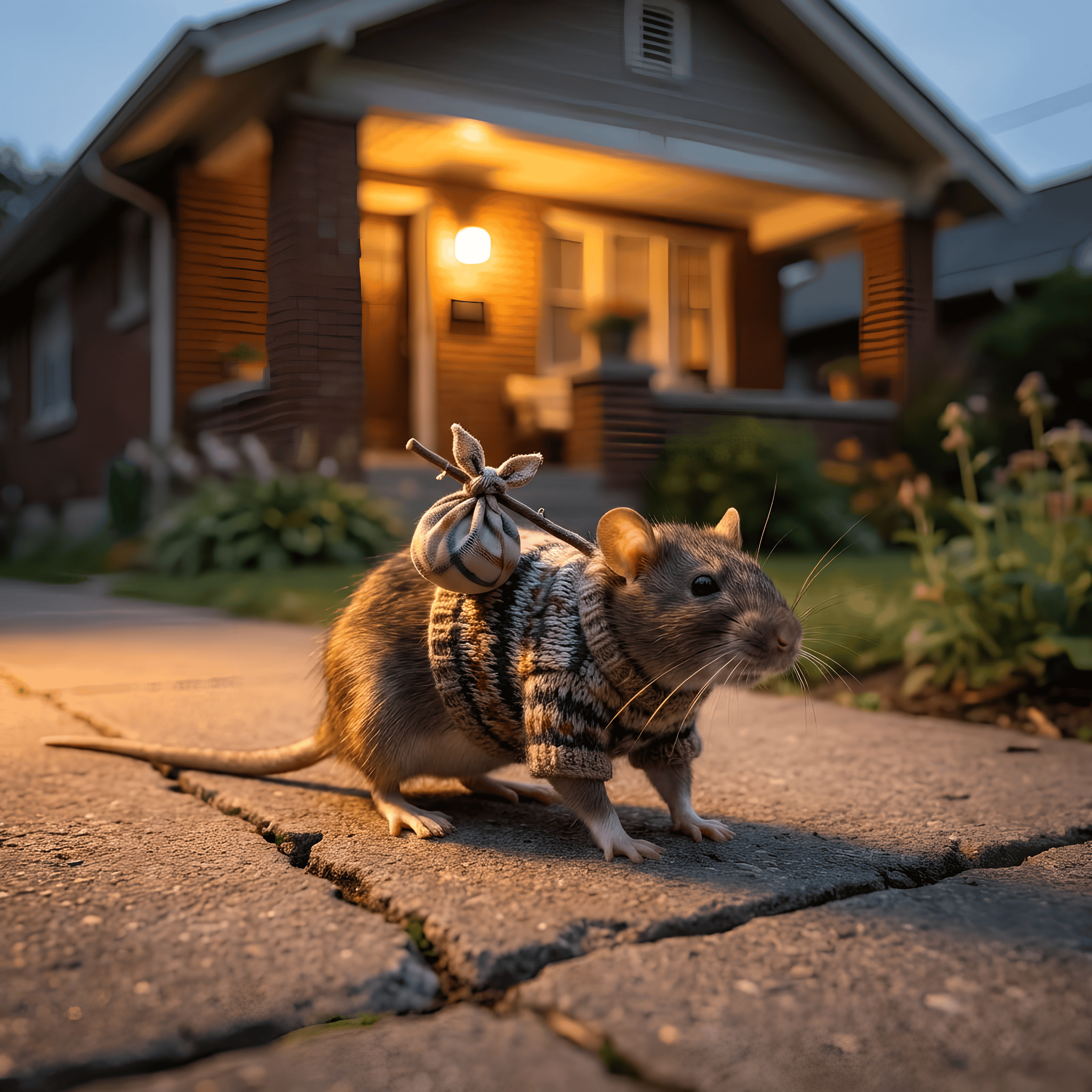
You heard it again last night, scratching inside the wall. Or maybe you found gnaw marks on a cereal box, or small dark droppings behind the stove. Something is living in your home that shouldn't be there.
If you suspect rats, your instinct is right: don't ignore it. Rats reproduce quickly, cause structural damage, and carry serious health risks. Your home should be your safe space and we can help you take it back.
The Top Attractants That Draw Rats Indoors
Rats are opportunists. They follow food, water, and shelter — and a typical St. Louis home offers all three, often without the homeowner realizing it.
Accessible food is the biggest draw. Unsealed garbage cans, pet food left out overnight, bird feeders, and even fallen fruit from backyard trees can bring rats to your property. Once they're close to the house, it doesn't take much for them to find a way inside.
Water sources matter too. Leaky outdoor faucets, air conditioning drip lines, and birdbaths provide the hydration rats need. Indoors, dripping pipes under sinks and standing water in basements keep them comfortable.
Clutter provides cover. Stacked firewood against the house, overgrown landscaping, and storage boxes in the garage or basement all give rats the shelter and nesting material they need. The CDC's rodent control guide emphasizes that eliminating these three attractants — food, water, and shelter — is the foundation of any effective rodent control strategy.
Why Certain St. Louis Neighborhoods See More Rats
Older homes in neighborhoods like Maplewood, University City, and Webster Groves tend to have more gaps around foundations, utility penetrations, and aging sewer lines — all of which create entry points for rats. Homes near the River Des Peres corridor or with alley access also see higher rodent activity.
But new construction isn't immune. Development that disturbs existing rat habitats can push populations into neighboring properties. If there's a construction project near your home, be extra vigilant.
We've outlined the most common access points in a previous post on common entry points for pests and how to seal them.
Warning Signs You Shouldn't Ignore
Rats are nocturnal, so you may hear them before you see them. Scratching or scurrying sounds in walls, ceilings, or under floors — especially at night — are a strong indicator.
Other signs include droppings (dark, pellet-shaped, about half an inch long), gnaw marks on food packaging or wiring, greasy rub marks along baseboards where rats travel the same path repeatedly, and a musty, ammonia-like odor in enclosed spaces.
If you find droppings, don't handle them without protection. Our post on what to do if you find mouse and rat droppings in your home covers the health risks and safe cleanup procedures in detail.
The Health Risks Are Serious
Rats can transmit over 35 diseases to humans, both directly and indirectly. Direct transmission happens through contact with droppings, urine, or saliva. Indirect transmission occurs through fleas, ticks, and mites that feed on infected rats and then bite humans.
The EPA's guidance on rodenticides also cautions homeowners about the risks of store-bought rat poisons, particularly in homes with children and pets. Improperly placed bait can be ingested by non-target animals, and poisoned rats that die inside walls create secondary problems — including odor and insect infestations.
According to the University of Missouri Extension's integrated pest management resources, effective rodent control combines exclusion (sealing entry points), sanitation (removing attractants), and targeted trapping or baiting by a licensed professional.
How Pure Pest + Lawn Eliminates Rats
We don't just set traps and hope for the best. Our approach addresses the full picture:
Schedule a free inspection. We identify entry points, nesting areas, and the conditions attracting rats to your property.
We build a custom removal and exclusion plan. Targeted trapping, bait stations placed safely away from children and pets, and sealing the gaps that let them in.
Enjoy a rodent-free home. With follow-up monitoring and ongoing prevention, we make sure the problem is solved — not just managed.
Pure Pest + Lawn has been protecting St. Louis homes since 1933. With over 1,000 five-star reviews and the BBB Torch Award for Ethics, we're the team St. Louis homeowners trust when it matters most.
Don't wait — schedule your free inspection. Call 314-222-PEST (7378) or schedule online.


